Lincoln Wheat Penny Coin : Every coin tells a story, but few captivate like the Lincoln Wheat Penny, a humble cent that’s turned into a millionaire-maker for savvy collectors.
Recent discoveries have pushed values into the stratosphere, with one ultra-rare specimen hitting a staggering $9.9 million valuation.
As numismatists flock to auctions and everyday folks scour their change jars, the Wheat Penny frenzy shows no signs of slowing this year.
A Storied Past Fuels Modern Mania
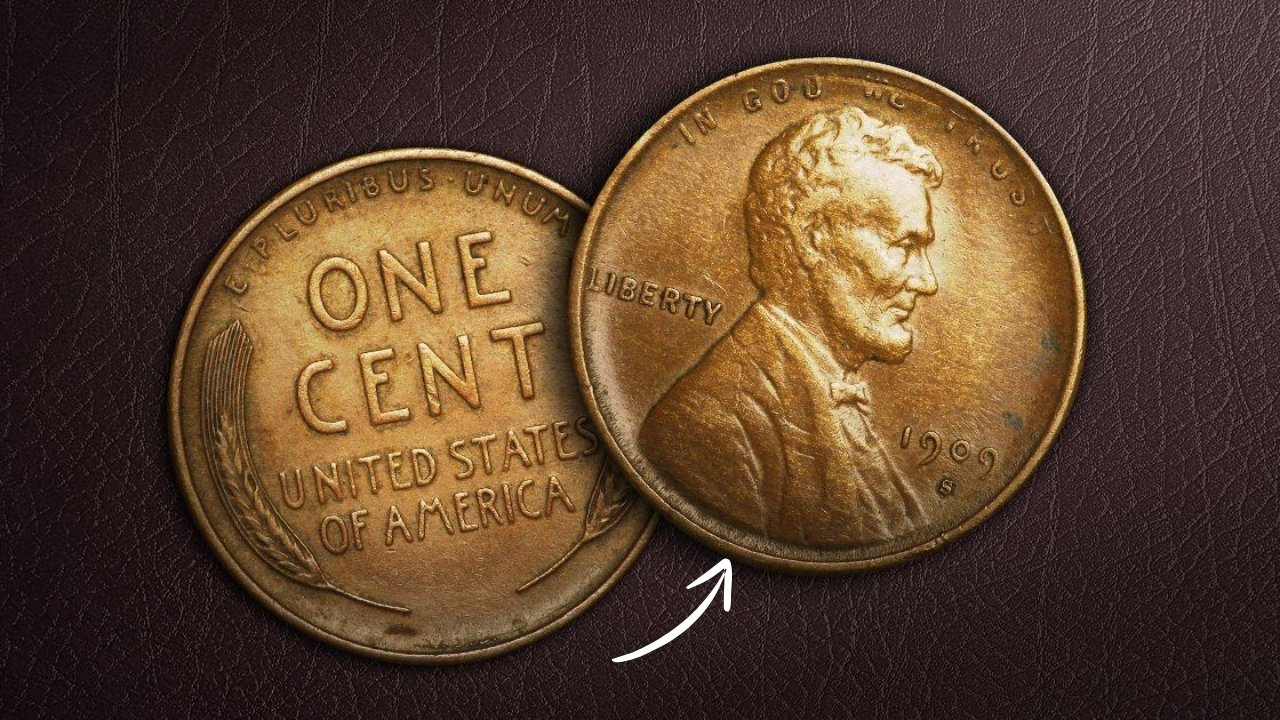
The Lincoln Wheat Penny debuted in 1909, crafted to honor Abraham Lincoln’s 100th birthday. Victor David Brenner designed it with Lincoln’s profile on the obverse and twin wheat stalks on the reverse, symbolizing prosperity in an agrarian America.
This was groundbreaking—the first U.S. circulating coin to feature a real person’s portrait, ditching allegorical figures like Lady Liberty.
Production ran until 1958, churning out billions across Philadelphia, Denver, and San Francisco mints. Most circulated freely, wearing down over decades in pockets and cash registers.
Yet, a tiny fraction escaped the grind, preserving details that now command fortunes. Early 20th-century pieces, especially low-mintage runs, embody economic upheavals like the Great Depression and wartime shifts.
Rarity and Condition: The Value Equation
What elevates a Wheat Penny from pocket change to portfolio centerpiece? Rarity tops the list. Take the 1909-S VDB, with Brenner’s initials sparking controversy and a mere 484,000 minted—survivors fetch $100,000 or more in top shape.
The 1943 copper version, mistakenly struck on bronze planchets amid steel penny wartime mandates, can top $1 million.
Condition reigns supreme. Coins graded MS-65 or higher, showing luster and minimal marks, skyrocket. A circulated 1920 no-mintmark might grab $175,000 if details pop, while pristine examples multiply that.
Recent buzz centers on a $9.9 million early-1900s gem found in circulation, its pristine state defying odds. Another at $576,000 highlights die varieties boosting appeal.
Market dynamics amplify this. Auction houses like Heritage report Wheat Pennies dominating sales, with 2025’s $160,000 valuation for a rare find stoking speculation. Demand from baby boomers downsizing and millennials entering numismatics drives prices up 20-30% yearly.
Spotlight on Blockbuster Finds
Stories of ordinary discoveries fuel the fire. Just last week, reports emerged of a Lincoln Wheat Penny pulled from a vending machine, appraised at $9.9 million due to its unparalleled rarity and gem uncirculated grade.
Experts note only a handful like it exist, blending perfect strike, original surfaces, and historical provenance.
The 1955 Doubled Die Obverse, with its ghostly doubled lettering from a misaligned die, routinely hits $100,000, though lesser errors like 1927-D doubled eyes add thousands even in worn states.
A 2025 USA Today piece warned: “Old pennies could be worth millions,” spotlighting 1943 coppers at $250,000 max. These tales remind us—value lurks in attics and jars nationwide.
Spotting a Potential Jackpot
Hungry for your own score? Check dates first: 1909-S VDB, 1914-D, 1922 plain (no Denver mark), and 1931-S scream rarity. Magnify for doubling, off-metals, or repunched mint marks. Avoid cleaned coins; authentic toning boosts bids.
Tools help: PCGS or NGC slabbers grade professionally, unlocking liquidity. Online forums buzz with tips, but beware fakes—ultraviolet tests reveal repairs.
In India, where users like those in Sonipat track global trends, importing via reputable dealers taps this market without borders.
Investment Angle in a Volatile World
Beyond nostalgia, Wheat Pennies shine as tangibles. With stocks shaky post-2025 elections and President Trump’s reelection policies favoring metals, numismatics hedges inflation. A $10,000 investment in high-grade Wheats from five years ago? Now $50,000-plus, per auction trends.
Liquidity flows via eBay for commons ($1-50) or Sotheby’s for elites. Diversify: pair with Indian rarities, but U.S. Wheats lead returns at 15-25% annually for blue-chip pieces. Long-term holders win, as populations dwindle.
Navigating the Collector Community Lincoln Wheat Penny Coin
Joining clubs like the American Numismatic Association connects you to experts sharing slab shots and sale alerts. Apps like CoinSnap identify via photo, while PCGS Price Guide tracks live values—1955 Doubler just ticked to $125,000 average.
Social media explodes with hunts: TikTokers crack jars, unearthing 1923-Ds worth $200 in fine grade. Ethical selling matters—disclose flaws to maintain trust.
Also Read this – $5,000 Checks Payment is Deposited – Check your account and Eligibility Here
The Lincoln Wheat Penny endures as more than metal; it’s a portal to America’s grit and glory. From centenarian mints to multimillion bids, its allure proves timeless.
Whether chasing dreams in Haryana or U.S. heartland, one truth holds: fortune favors the observant. Dive in—the next big find awaits.